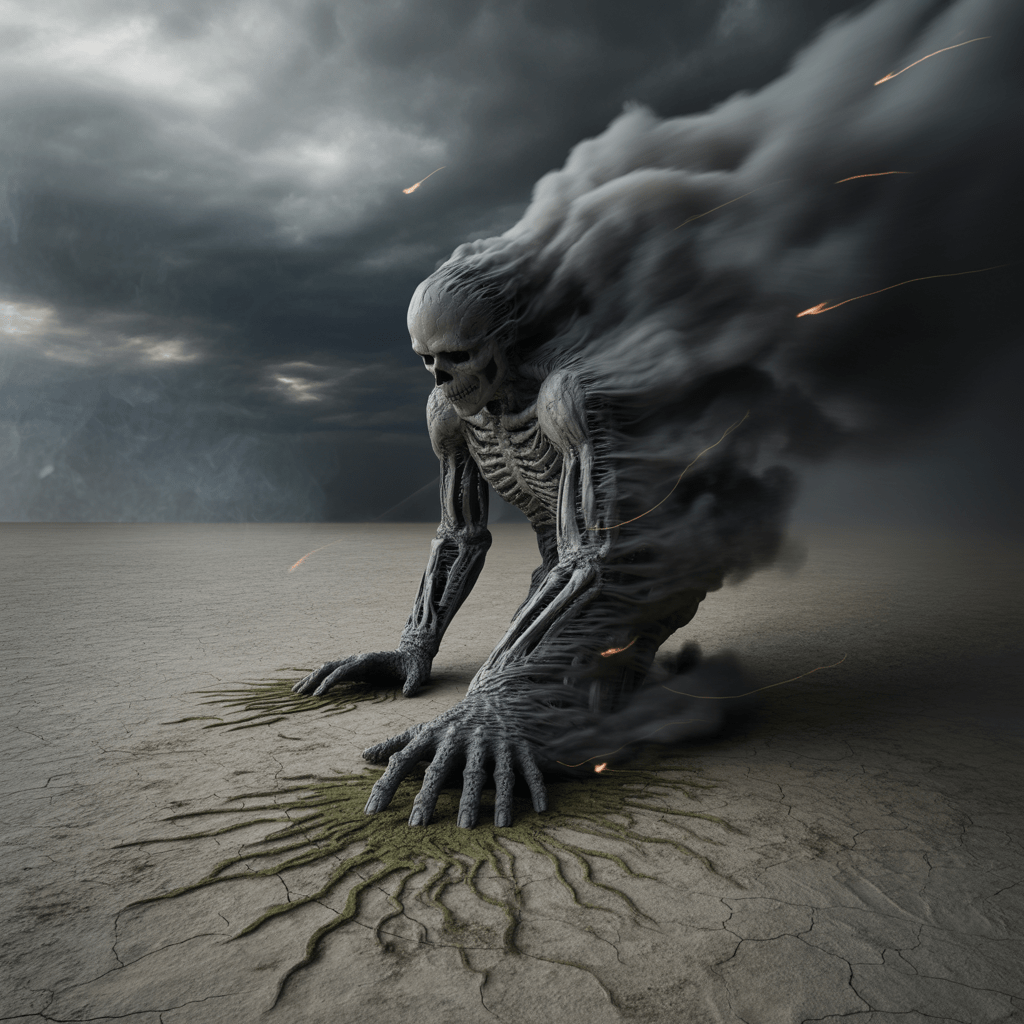
What the Hell Are We So Afraid Of?
The Anatomy of Legit Horror
By Blood And Circuitry
What scares us isn’t the mask.
It’s the man behind it.
It’s the silence after the scream.
It’s the feeling that no one’s coming.
Horror, as a genre, has long been reduced to tropes and jump scares, propped up by predictable formulas and rubber-masked killers. The blood flows. The final girl escapes. Cue the sequel. It’s easy to scoff at horror as lowbrow entertainment. But that’s a mistake. Beneath the surface-level gore and supernatural creatures, horror taps into something ancient, primal, and deeply human.
If you want to understand a culture, don’t ask what makes them laugh. Ask what they fear.
Horror as a Mirror
Every age has its monsters.
In the Cold War era, they were radioactive and alien (Godzilla, Invasion of the Body Snatchers). During the Satanic Panic of the ’70s and ’80s, horror turned to possession and cults (The Exorcist, Rosemary’s Baby). Post-9/11, the fear turned inward, toward grief, surveillance, and domestic collapse (Hereditary, The Babadook, The Strangers).
Horror evolves with us. Because it’s not about the thing in the dark, it’s about what that thing represents.
A haunted house isn’t scary because it’s haunted. It’s scary because it was once a home. A place of safety turned hostile. That’s what horror does best: it violates the expected. The everyday. The ordinary. It says, “You thought you understood this world? Think again.”
What Real Horror Feels Like
Forget the movie theater. Think about this:
- Waking up and your spouse is cold beside you—really cold.
- Checking the news and realizing the world is on fire, and no one is doing a damn thing.
- Finding something on your child’s phone that you can’t unsee.
- Getting a call from a blocked number, and the voice knows your name. Your mother’s name. Where you live.
- Watching someone you love fade into dementia, piece by piece.
This is horror stripped of metaphor. No zombies, no demons, no ancient books written in blood. Just raw, disquieting reality.
Because let’s be honest, reality is horrifying. In horror stories, there’s at least a chance to fight back. In real life? The monster is often a diagnosis. Or a legal system. Or the slow, quiet cruelty of time.
Why We Seek It Out Anyway
The obvious question:
Why do we want to feel this way?
There’s a theory, popular in psychological circles, that horror offers something like exposure therapy. We intentionally confront our fears in safe, fictionalized environments. A kind of emotional gym. We scream, we survive, we emerge stronger.
But that’s only part of it.
We also seek horror because it tells the truth.
Horror doesn’t pretend things will be okay. It doesn’t promise that good people always win or that justice always comes. In a world drowning in sugar-coated lies and manufactured optimism, horror dares to say:
“Bad things happen. You are not safe. The world is not fair. And sometimes, there is no happy ending.”
And paradoxically, honesty can be comforting. It’s not about hopelessness, it’s about recognition. A shared understanding of how brutal life can be, dressed in metaphor so we can finally look it in the eye.
The Science of Fear
Biologically, fear is a survival mechanism. When something scares you, your amygdala lights up. Cortisol and adrenaline flood the system. You become alert, reactive, ready to flee or fight. Your body doesn’t know the difference between a killer in the closet and a killer on the screen; it just responds.
But that physical response, when controlled and contextualized, can be addictive. That’s why horror junkies exist, why we chase the fear high. For some, it’s about testing limits. For others, it’s a way to feel anything in a world that numbs us daily with doomscrolling and algorithmic sedation.
Real Horror vs. Manufactured Scares
Let’s draw a line in the blood:
Not all horror is created equal.
There’s a world of difference between a cheap scare and a meaningful one. A slasher flick where teens get chopped up for having sex isn’t the same as a slow-burn story where a mother slowly realizes her child is not her child anymore. One plays on impulse. The other plays on identity.
That’s the axis real horror spins on:
- Who am I if I lose my memory?
- What if I can’t protect my children?
- What happens when the people I trust turn against me?
- What if I’m the villain?
The scariest stories aren’t about what’s under the bed. They’re about what’s inside us.
The Cultural Machine of Fear
We can’t ignore the role media plays in shaping what we’re afraid of.
News headlines are carefully curated to spike anxiety. Politicians use fear as a tool of control. Social media thrives on outrage, paranoia, and worst-case scenarios. We live in a horror landscape already, one where pandemics, climate collapse, economic instability, and digital surveillance are not speculative fiction. And now let’s throw in earthquakes, volcanoes, and tsunamis because there just isn’t enough scary shit out there already. They’re page one every morning, “If it bleeds, it leads” is the golden rule for the nightly news.
So, when people say, “Why would you choose to watch something scary?”
The real question is:
How do you not?
Horror isn’t escapism. It’s confrontation.
It teaches us to look at the uncomfortable. To dwell in the unresolved.
To sit with fear—and learn its shape.
The Uncanny and the Unspoken
There’s also the uncanny, a term used in psychology and horror alike to describe something that is almost familiar, but not quite. A doll that stares a little too long. A smile that doesn’t move the eyes. An empty chair that feels recently occupied.
These are primal triggers—hardwired responses to broken expectations.
Freud called it “das Unheimliche”—the unhomely. The space where what should feel safe becomes subtly, terrifyingly wrong.
The best horror understands this. It uses silence more than screams. Stillness more than violence. It unsettles, rather than shocks.
Because true fear isn’t loud.
It’s quiet.
It waits.
It watches you back.
Blood, Circuitry, and the Future of Fear
So what does horror look like now?
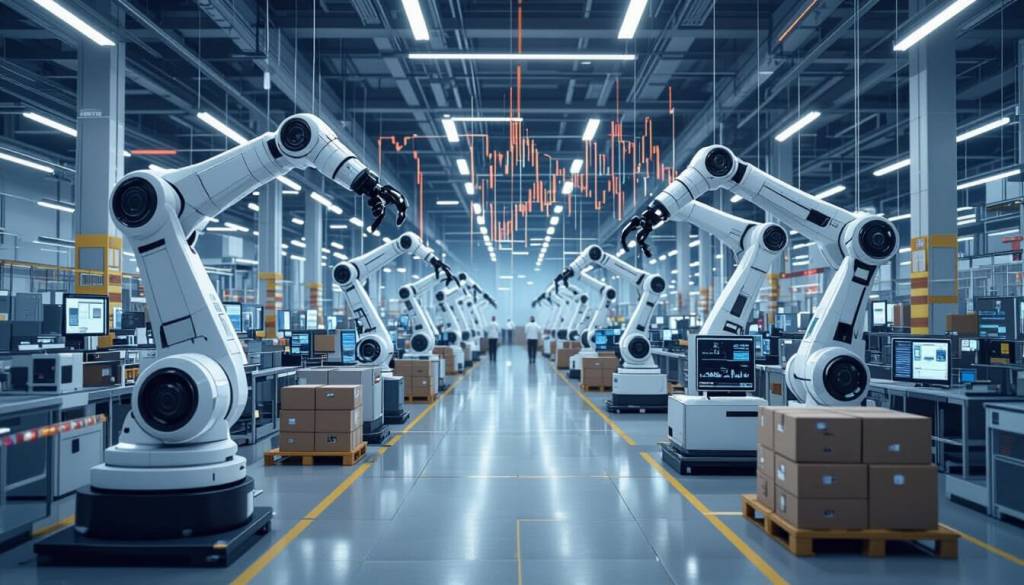
With AI writing scripts, deepfakes muddying reality, and virtual realities becoming increasingly indistinguishable from the real world, our fears are evolving.
Tomorrow’s horror might not be about what breaks in.
It might be about what we invite in.
What we create.
What we trust, until it turns on us.
In that sense, horror is becoming more relevant than ever. It’s not just about ghosts and ghouls. It’s about data privacy, algorithmic manipulation, losing control of your identity. It’s about the existential dread of being outpaced by the very technology we once thought would save us.
The future isn’t full of vampires.
It’s full of black mirrors.
Final Thoughts: Horror is the Last Honest Genre
Here’s the truth most people don’t want to admit:
You’re going to die.
You will lose people you love.
Your mind might betray you.
You will face things you didn’t ask for, and you won’t always be ready.
Horror knows this. It embraces it. Not to be cruel, but to be real. It says what other genres won’t.
And in doing so, it offers something rare:
Truth without apology.
That’s why we write it.
That’s why we read it.
That’s why we let it crawl into our beds at night, whispering things we’re not supposed to say out loud.
Because in horror, at least we’re not alone.


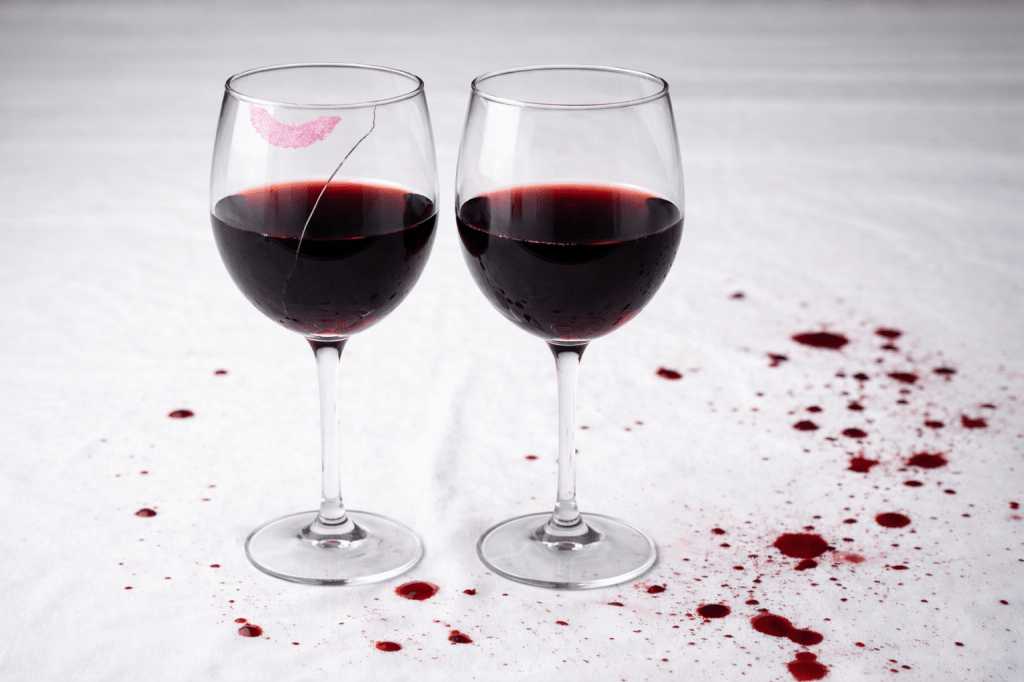
 Blood and circuitry
Leave a comment